
The liver loves green
The liver is one of the most important filters in our body; it cleanses and refreshes the blood. When the blood becomes "impure" or "heavy," it can lead to overheating in the digestive tract, manifesting as hot flashes, irritability, and hemorrhoids. In some cases, it may even result in appendicitis.
When the liver is overloaded, one may experience oily stools, a burning sensation, and constipation. Consequently, this often leads to puffiness, fatigue, and elevated cholesterol levels.
Children often have "sleep crust" in the corners of their eyes in the morning, which is a sign that their liver is functioning optimally. In adults, this type of discharge tends to decrease, while puffiness and an overly acidic internal environment become more common. Poor liver and gallbladder function can also be indicated by a coated tongue—typically with a greenish-brown film—along with scalloped (or "bitten-looking") edges that appear dark red.
Naturopaths recommend castor oil—which possesses antifungal and antibacterial properties—for both internal and external use. Ms. Brajnik suggests taking 5 drops in 2 deciliters of water on an empty stomach. This regimen can help reduce inflammation, even in individuals undergoing chemotherapy. Water is the best medium for castor oil; it should not be taken with herbal teas. While water is neutral, many herbal infusions contain bitter compounds and have a warming effect on the body. Castor oil can serve as a valuable supplement during a spring detoxification regimen.
With the Zapper-Pro, it is recommended to carry out supportive therapies for all organs involved in detoxification. You can learn more about frequency therapies under the "How to Achieve the Best Results" section on the following page:
The liver stores blood, releases energy, supports the health of joints and tendons (all connective tissues), and influences the eyes and the oiliness of the scalp. When the liver is weak and the body is overloaded with toxins, heavy metals are not effectively eliminated. Aluminum, acting as an antagonist to magnesium, binds to the bones; this leads to a deficiency in magnesium—a mineral that is especially crucial during times of stress. Arsenic acts as an antagonist to calcium and binds to the brain, while mercury interferes with the body's ability to utilize zinc and vitamin A. Both zinc and vitamin A are essential for the health of the eyes, the prostate, and the immune system as a whole. Furthermore, when the liver is weak, lead is more likely to be incorporated into the bones in place of calcium.
To learn about the frequencies associated with heavy metals and how frequency therapies using the Zapper-Pro can be of assistance, please refer to the "Heavy Metal Exposure and Frequencies" section at this link:
Moxa
In addition to the fresh, chlorophyll-rich vegetables that nature provides during this season, you can support your liver by consuming celery, parsley, or cilantro juice. Celery juice acts as a chelator for mercury and lead; it also helps prevent gastritis and regulates blood pressure. Nettle tea—ideally freshly prepared—mineralizes, tones, and cleanses the body.
An enema using organic green coffee will help relieve the liver, gallbladder, and intestines.
During a detoxification period, eliminate all refined sugar, processed carbohydrates, and processed fats from your diet. Avoid eating dinner late.
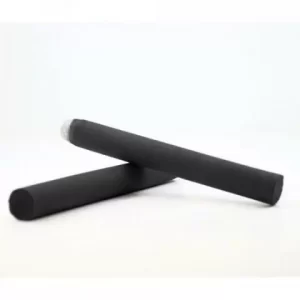
If the abdomen feels cold, use moxa. Procedure: place a teaspoon of non-iodized sea salt over the navel area. Using a lit moxa stick, move it in a circular, clockwise motion for 10–15 minutes. In addition to supporting the liver, this strengthens the stomach, spleen, kidneys, and ovaries. The heat will be directed to wherever the body needs it most. For those who have recovered from COVID-19, applying moxa to the area of the "third eye" and the space between the nipples is recommended. You can also use a heating pad on the tailbone area. Generally, this strengthens the body and facilitates weight loss.